✨ New Arrivals Just Dropped!Explore

45-60cm Common Hawthorn Hedging | Crataegus monogyna | Bare Root
- Commonly known as Mayflower, this native deciduous hedge is a haven for wildlife, supporting over 150 species.
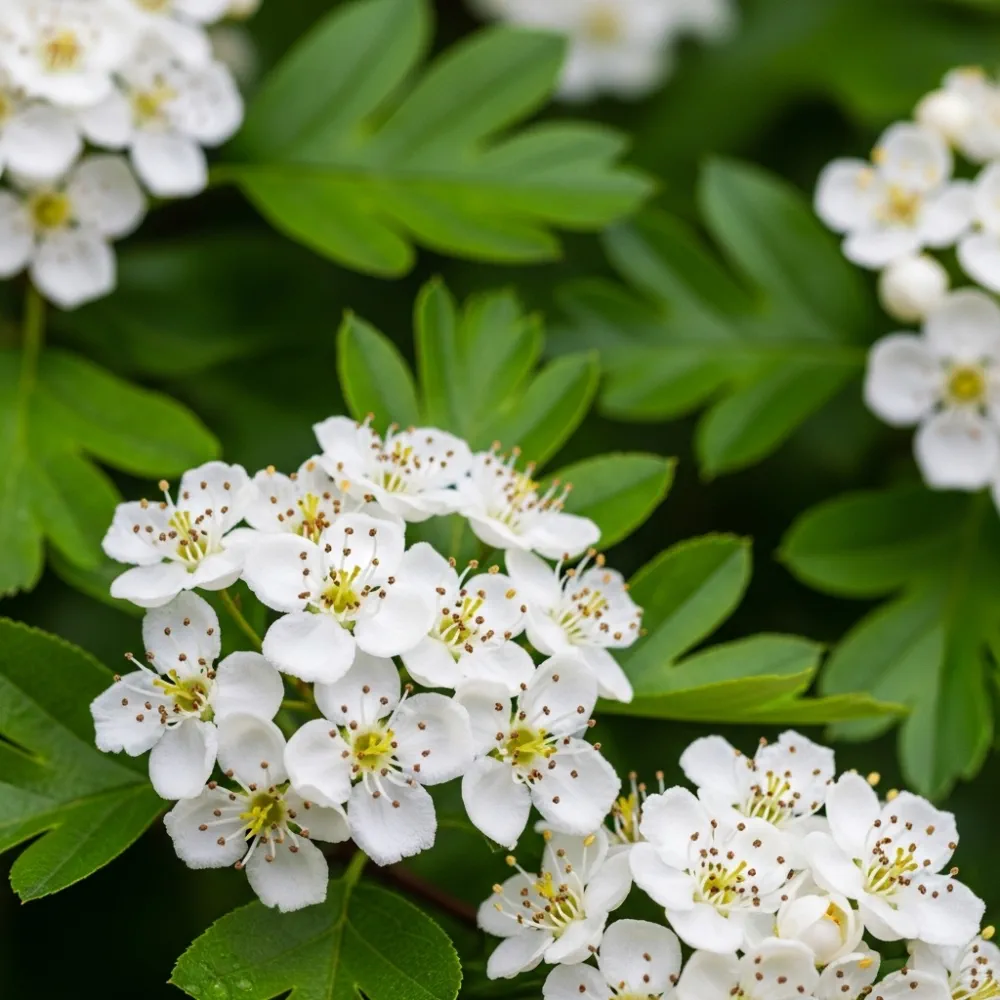
- Features fragrant white flowers in spring, followed by vibrant red berries (haws) in autumn.
- Its dense, thorny branches provide an intruder-proof barrier and a safe nesting site for birds.
- A robust, fast-growing plant that is resilient in windy, exposed, and coastal locations.
- Recognised by the RHS as a 'Plant for Pollinators', making it a superb choice for bees and butterflies.
$10.64
45-60cm Common Hawthorn Hedging | Crataegus monogyna | Bare Root—
$10.64
More Images


45-60cm Common Hawthorn Hedging | Crataegus monogyna | Bare Root
- Commonly known as Mayflower, this native deciduous hedge is a haven for wildlife, supporting over 150 species.
- Features fragrant white flowers in spring, followed by vibrant red berries (haws) in autumn.
- Its dense, thorny branches provide an intruder-proof barrier and a safe nesting site for birds.
- A robust, fast-growing plant that is resilient in windy, exposed, and coastal locations.
- Recognised by the RHS as a 'Plant for Pollinators', making it a superb choice for bees and butterflies.
Product Information
Product Information
Shipping & Returns
Shipping & Returns
Description
- Commonly known as Mayflower, this native deciduous hedge is a haven for wildlife, supporting over 150 species.
- Features fragrant white flowers in spring, followed by vibrant red berries (haws) in autumn.
- Its dense, thorny branches provide an intruder-proof barrier and a safe nesting site for birds.
- A robust, fast-growing plant that is resilient in windy, exposed, and coastal locations.
- Recognised by the RHS as a 'Plant for Pollinators', making it a superb choice for bees and butterflies.